Radon Testing
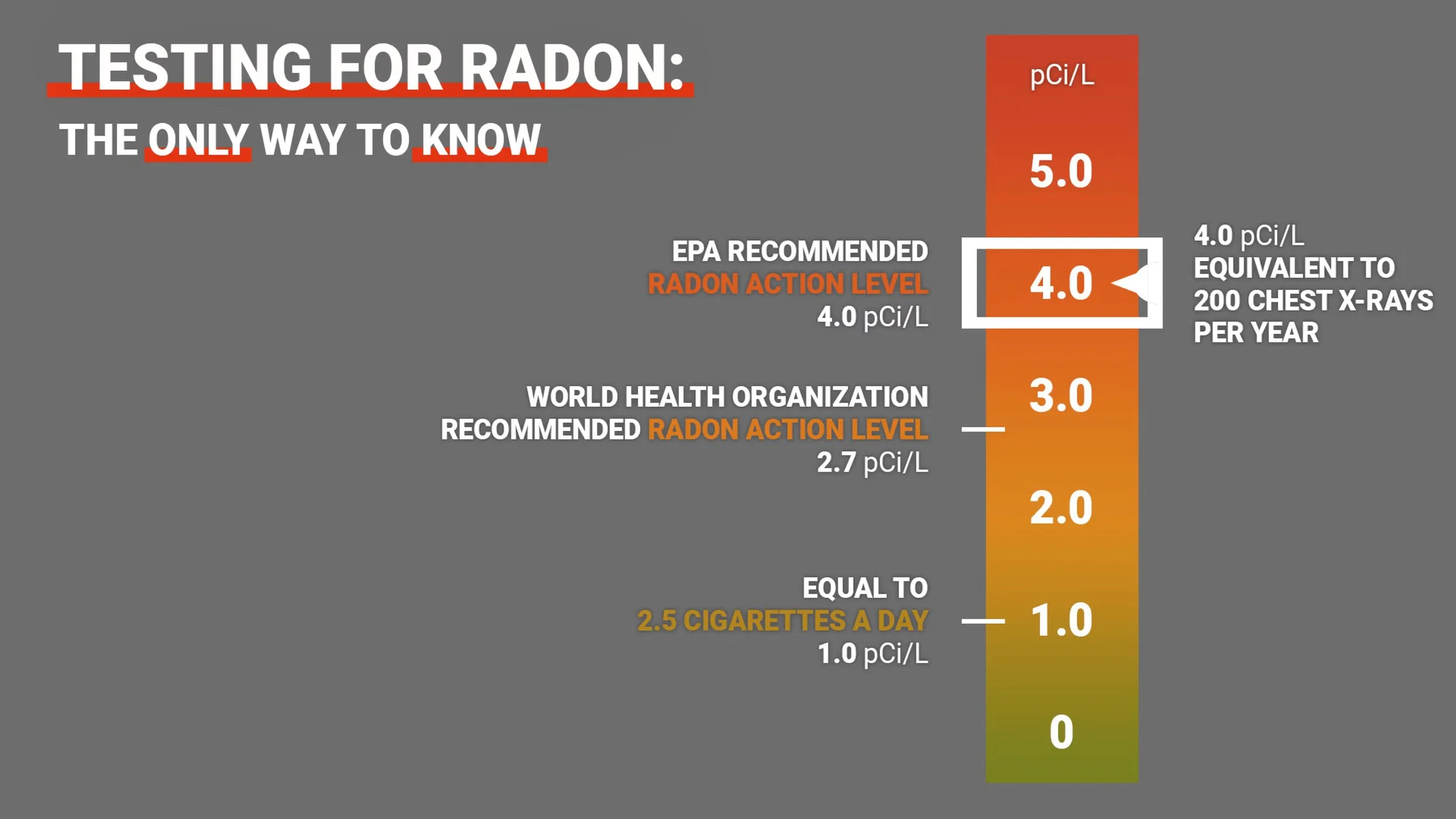
Radon is a gas you cannot see, smell, or taste. It comes up out of the ground and collects inside homes, and it is the second leading cause of lung cancer in the country behind smoking. You would never know it was there without a test.
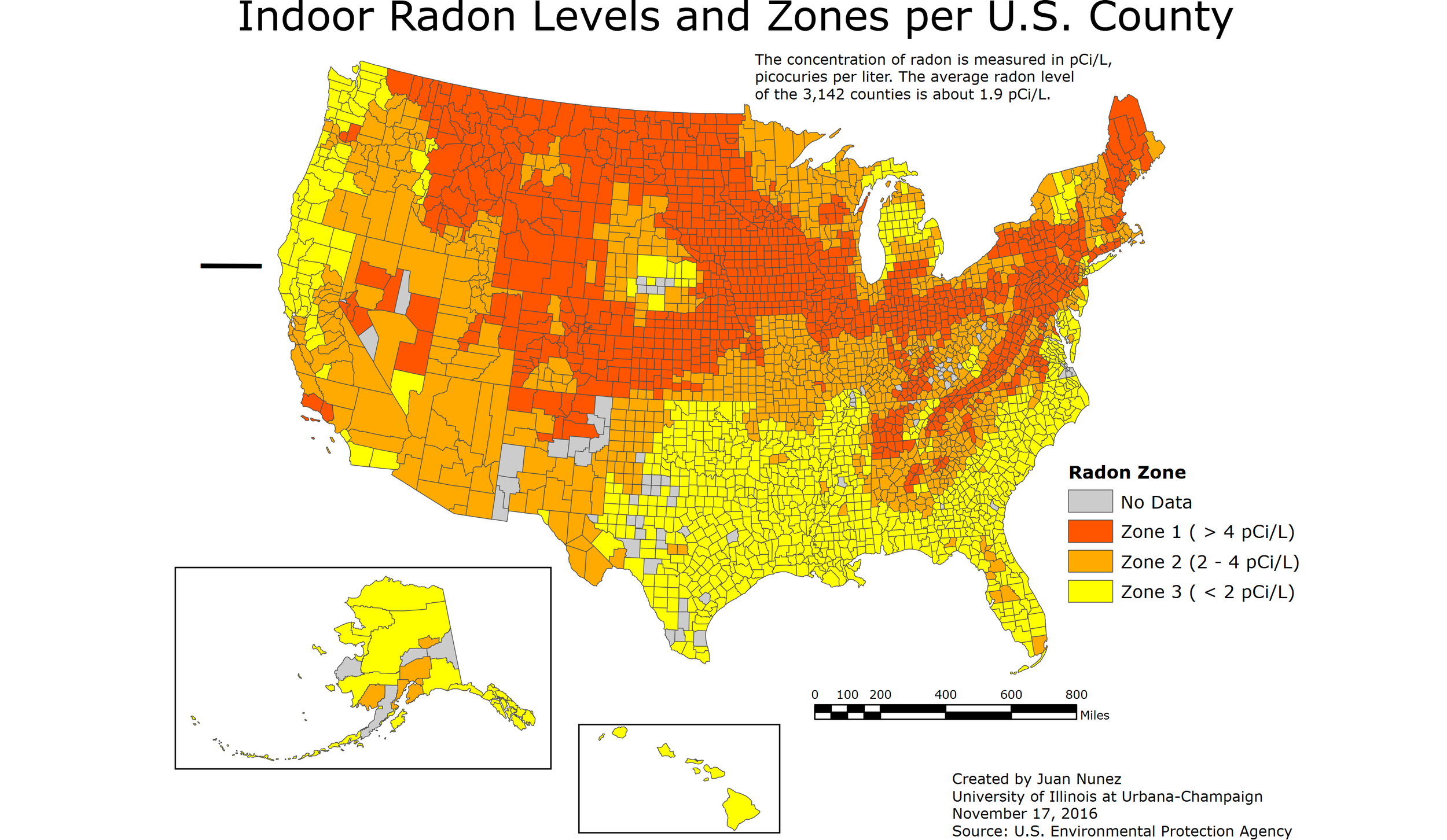
This is not a scare tactic, it is geography. Illinois and Missouri sit in a region with some of the highest radon levels in the United States. A lot of homes here test above the action level, including newer ones, because radon depends on the ground under the house, not the age of the house. People are often surprised when a brand new home tests high, but the gas does not care how new your construction is.
The only way to know your level is to test, and the good news is that testing is simple and inexpensive. We place a certified measurement device in the lowest lived in level of your home and let it run for the proper length of time, following testing protocol so the result is accurate. You get a clear number and a straight explanation of what it means and whether you should do anything about it.
If your level does come back high, do not panic. Radon is very fixable with a mitigation system. And if you are buying or selling a home, a radon test is one of the cheapest pieces of due diligence you can do.
Call (618) 477-2761 to schedule a radon test.
Don’t Let Radon Go Undetected
-
Hidden But Dangerous
Radon is odorless, colorless, and tasteless, making testing the only way to know if a space is at risk.
-
It Can Accumulate Anywhere
From basements and crawlspaces to offices and storage facilities, radon can concentrate in any poorly ventilated area.
-
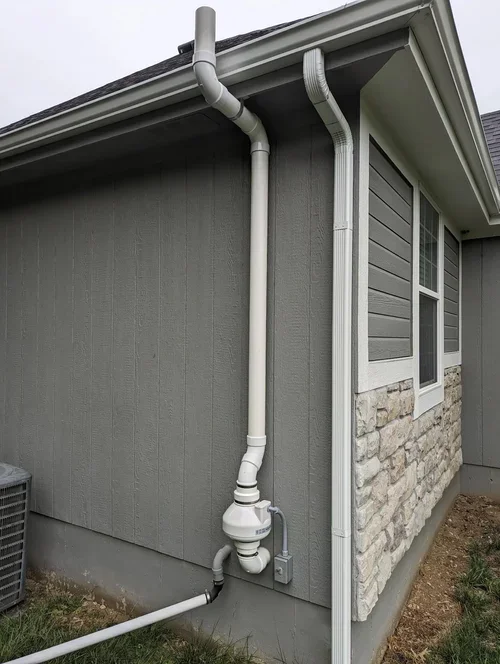
Data-Driven Protection
Certified testing provides precise readings and expert guidance for effective mitigation, ensuring safer air for everyone in the space.
Radon Testing in Illinois & Missouri: Protect Your Space
Radon is a naturally occurring gas found in many buildings across Illinois and Missouri. Long-term exposure can cause serious health risks, including lung cancer, making testing essential for any space—residential or commercial.
-
We understand radon prevalence and building patterns specific to IL and MO, ensuring thorough testing in all types of spaces.
-
Using EPA-approved methods, we deliver precise readings to identify radon levels wherever it may accumulate.
-
If elevated radon is detected, we provide actionable recommendations and referrals to ensure safe, effective mitigation.